What Is Nepali Food? A Beginner's Guide
When people think of South Asian food, they usually think of India. But Nepali food is its own cuisine, shaped by the Himalayas, dozens of ethnic communities, and centuries of trade between India and Tibet. It isn't just Indian food from the mountains.
Dal bhat: the everyday meal
Ask anyone in Nepal what they ate today and the answer is probably dal bhat. That means rice (bhat) and lentil soup (dal), with vegetable curry, pickle, and sometimes meat on the side. Many Nepalis eat it twice a day. There's even a saying on trekking routes: "dal bhat power, 24 hour."
Momo: the dish everyone loves
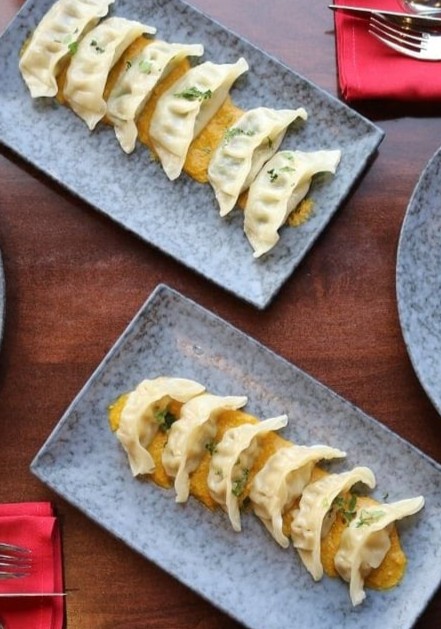
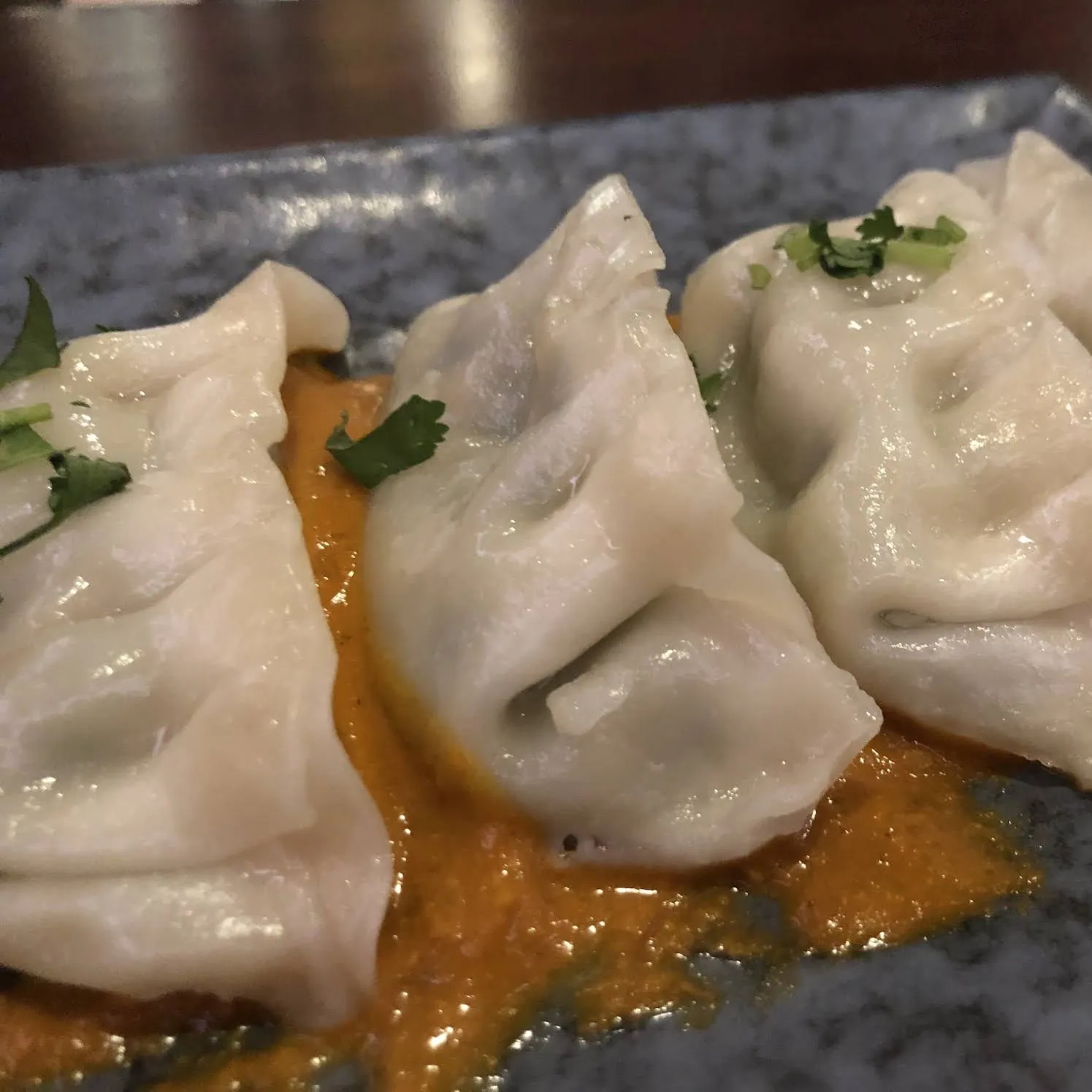
Momo are hand-folded dumplings with spiced meat or vegetable fillings, served steamed, fried, or in a tangy sauce called jhol. They came from Tibet and became Nepal's favorite snack.
Achar: the pickles
Nepali meals almost always come with achar, pickles and chutneys made from tomato, radish, mango, or sesame. They're sour, spicy, and a big part of what makes Nepali food taste Nepali.
Newari food
The Newar people of the Kathmandu Valley have one of the richest food cultures in Nepal. Choila, spiced meat grilled over flame and tossed with chili and timur pepper, is one of their best-known dishes.
The flavors
Nepali cooking shares cumin, turmeric, and coriander with Indian cooking, but it leans on different things:
- Timur, a Himalayan relative of Sichuan pepper that makes your lips tingle.
- Mustard oil, which gives a sharp, pungent note.
- Fermented and sour flavors, like bamboo shoots and dried greens.
- Less cream and butter than North Indian restaurant food.
Where to try Nepali food in Denver
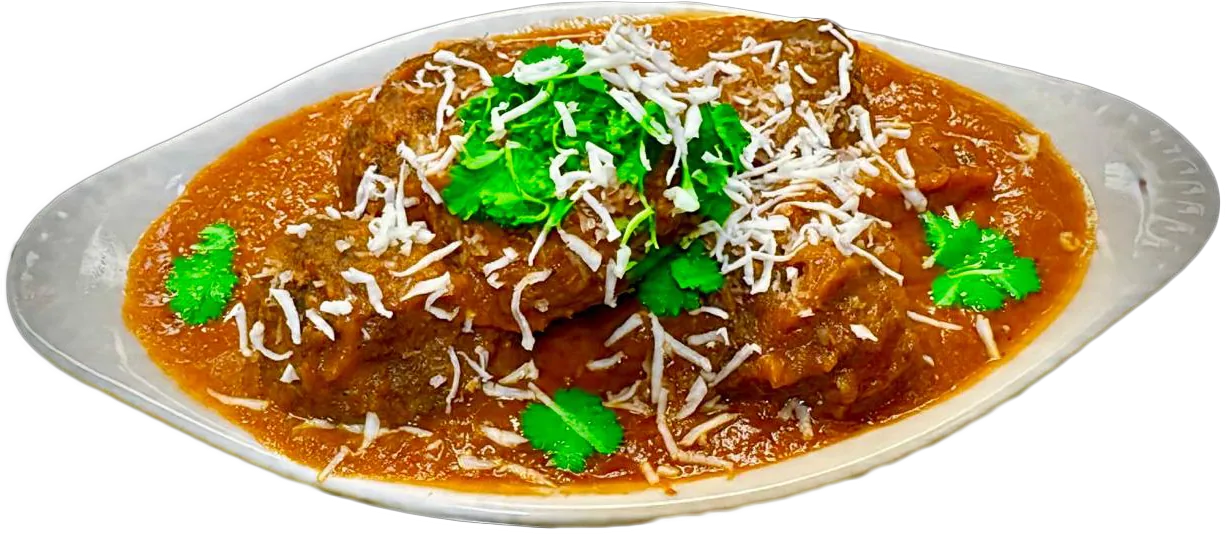
At Denver Curry House, our Nepali dishes include momo, chicken choila, Kathmandu spiced pork belly, Nepali chowmein, and the Himalayan bamboo curry, with Barahsinghe, a Nepali pilsner, to drink. See our guide to Nepali dishes to try for what to order.
Frequently asked questions
What is the national dish of Nepal?
Dal bhat, rice with lentil soup and sides, is the everyday meal most people point to. Momo are the most famous snack.
Is Nepali food the same as Indian food?
No. They share spices and dishes, but Nepali food uses less cream, more pickled flavors, and Himalayan ingredients like timur pepper.
Is Nepali food spicy?
It can be, especially dishes like choila. Momo and dal are mild.
Ready to visit Denver Curry House?
250 Steele Street, Cherry Creek, Denver CO 80206 · Rated 4.9 stars